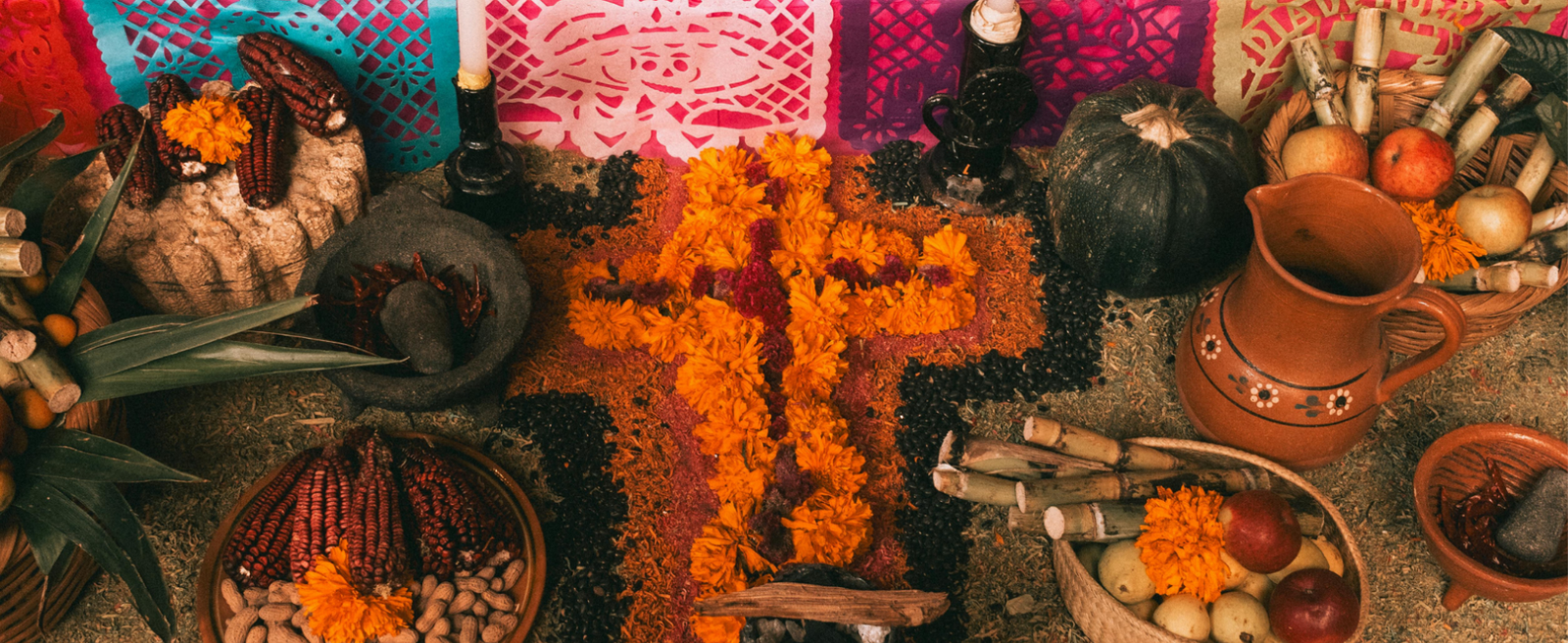
In Mexico, death is not an ending it’s a reunion. Every year, from October 31 to November 2, families across the country prepare to welcome back the souls of their loved ones in a celebration known as Día de Muertos. Through altars, food, music, and prayer, Mexicans transform remembrance into a living expression of love.
Though the essence of the celebration is shared nationwide, each region has its own way of honoring the dead. These are some of the most meaningful local traditions that keep this ancient ritual alive
Yucatán — Hanal Pixán, “Food for the Souls”
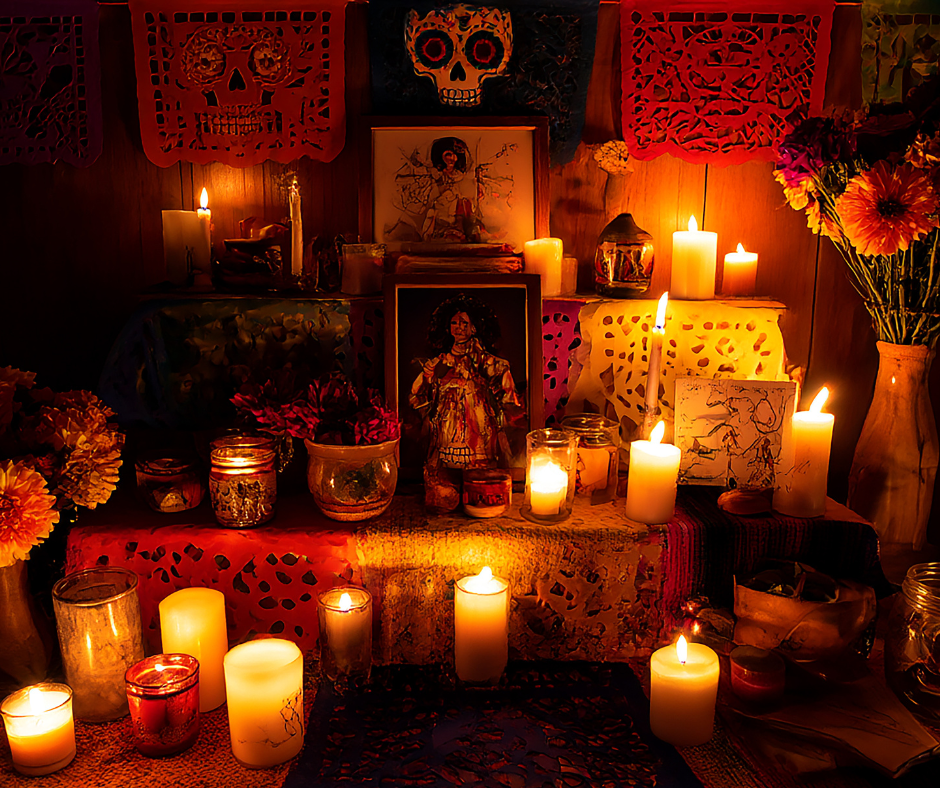
In Yucatán, the Mayan tradition of Hanal Pixán which means “food for the souls” reveals the region’s deep spiritual roots. Families believe that during these days, the souls of their ancestors return home to share food and joy once again.
Preparations begin days in advance. Families clean their homes, set up altars decorated with palm leaves, candles, flowers, and photographs, and prepare the most important dish of the season: mucbilpollo or pib, a large corn tamal filled with chicken, pork, and spices, wrapped in banana leaves and cooked underground.
Each day has a special meaning:
- October 31: Hanal Palal: for the souls of children, who are offered toys, fruits, and candies.
- November 1: Hanal Nucuch Uinicoob: for the souls of adults, who receive their favorite foods and drinks.
- November 2 : Hanal Pixanoob: for all souls collectively, when families visit cemeteries to pray and share food.
The scent of mucbilpollo and flowers fills the air, as candles guide the spirits home. For the Maya, death is only another part of life’s cycle and Hanal Pixán is a beautiful reminder of that eternal connection.
Michoacán — Noche de Muertos, “The Night of the Dead”
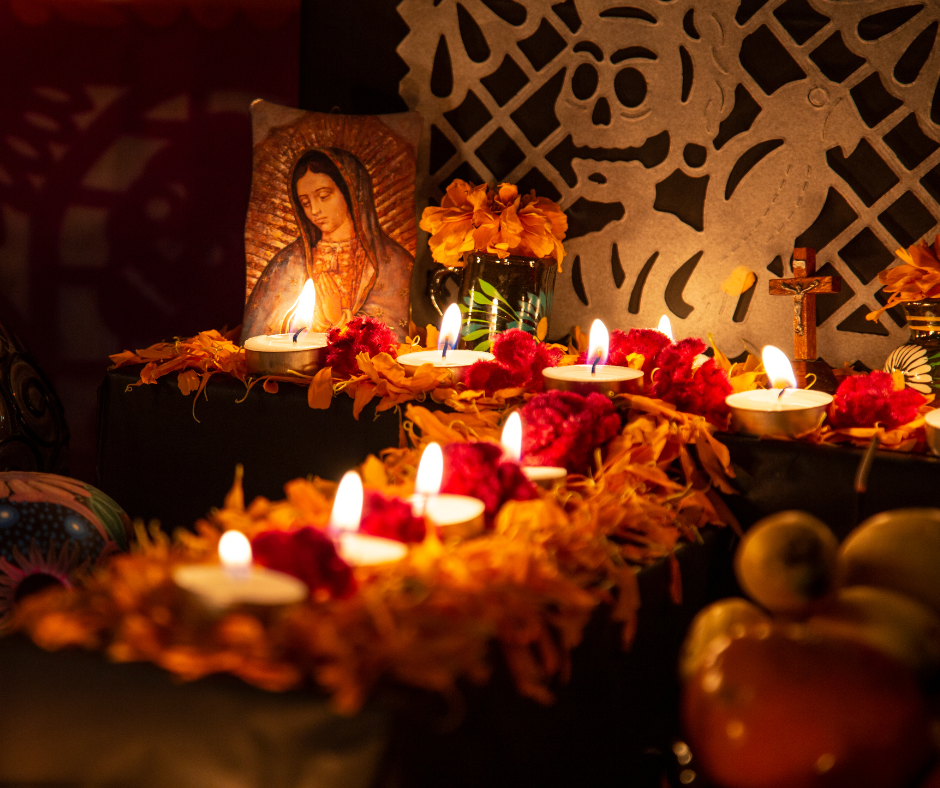
In Michoacán, especially among the Purépecha people, the Noche de Muertos is one of the most sacred nights of the year. It is believed that on the night of November 1, the souls of the departed return to the world of the living, guided by the light of candles and the scent of marigolds.
Families spend the day preparing offerings fruit, bread, atole, tamales, and favorite dishes then carry them to the cemetery at sunset. Graves are cleaned and adorned with arches of cempasúchil, crosses made of sugar, and hundreds of candles.
Throughout the night, families gather around the graves, praying, sharing food, and telling stories. For the Purépecha, death is not separation but communion; the living and the dead coexist for one night filled with silence, reflection, and love. The flickering light across Lake Pátzcuaro becomes a symbol of souls reunited with their families.
Oaxaca — La Muerte Viva, “The Living Death”
In Oaxaca, death is celebrated as art, color, and music. The Oaxacan people see La Muerte Viva “The Living Death” as a joyful moment to honor ancestors and reaffirm life’s beauty.
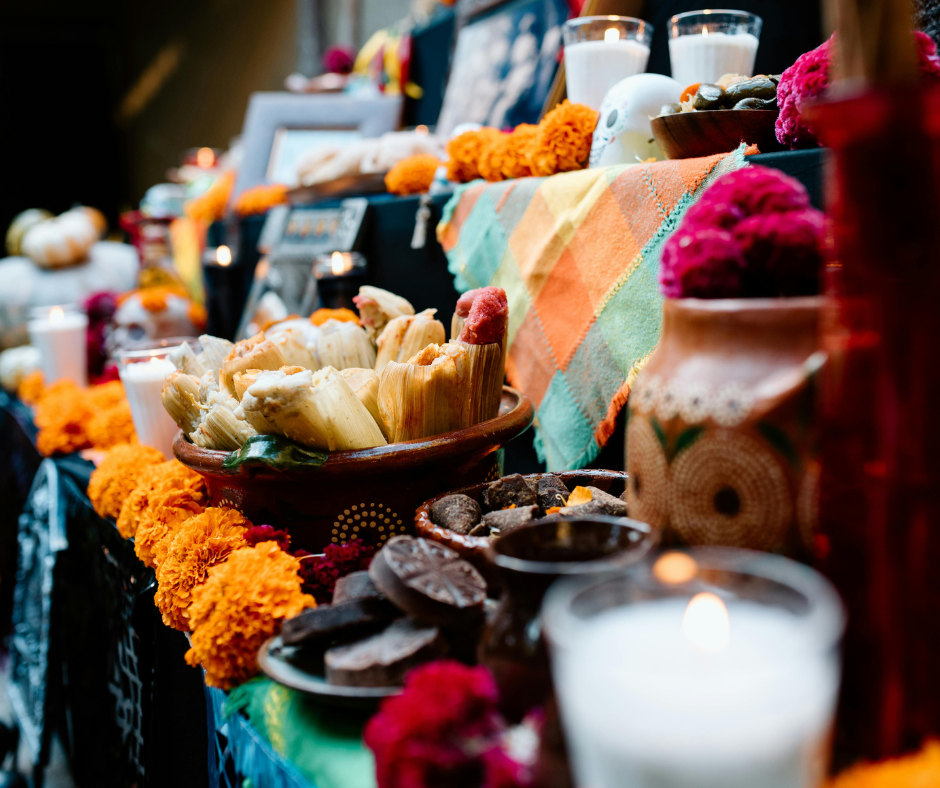
Days before November 1, families build elaborate altars decorated with flowers, candles, food, mezcal, and photos, each object symbolizing love and remembrance. Cemeteries become gathering places where families bring bread, chocolate, tamales, and mole negro, spending the night among laughter, music, and candlelight.
One of Oaxaca’s most cherished traditions is creating tapetes de arena sand tapestries made from colored sawdust and petals that depict skulls, saints, or family portraits. In some communities, children help decorate graves, learning that death is not to be feared but understood as part of life.
Oaxaca’s celebration blends devotion with artistry, turning remembrance into a collective act of beauty and resilience.
Ciudad de México — Altares y Catrinas
In the capital, traditions have evolved but remain deeply symbolic. In homes, schools, and plazas, families create ofrendas (altars) filled with pan de muerto, papel picado, salt, water, and candles to welcome loved ones. Each color of papel picado represents a different element purple for mourning, orange for life, white for purity.
One of the city’s oldest traditions takes place in the cemeteries of Mixquic, where families stay overnight beside the graves, decorating them with candles and marigolds while praying and sharing food.
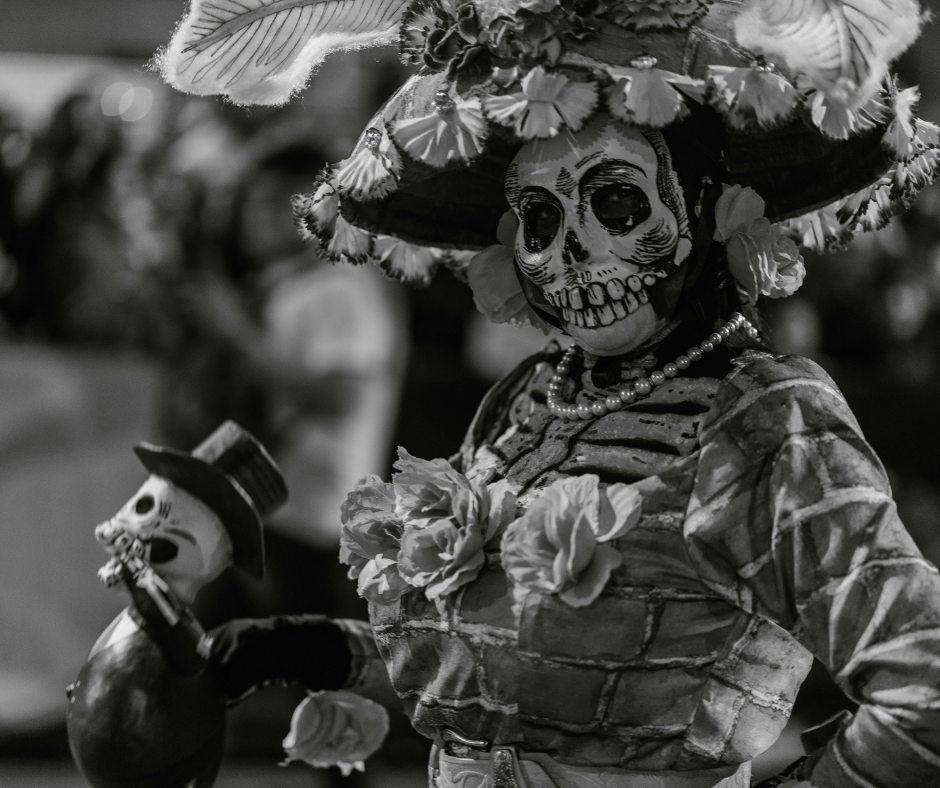
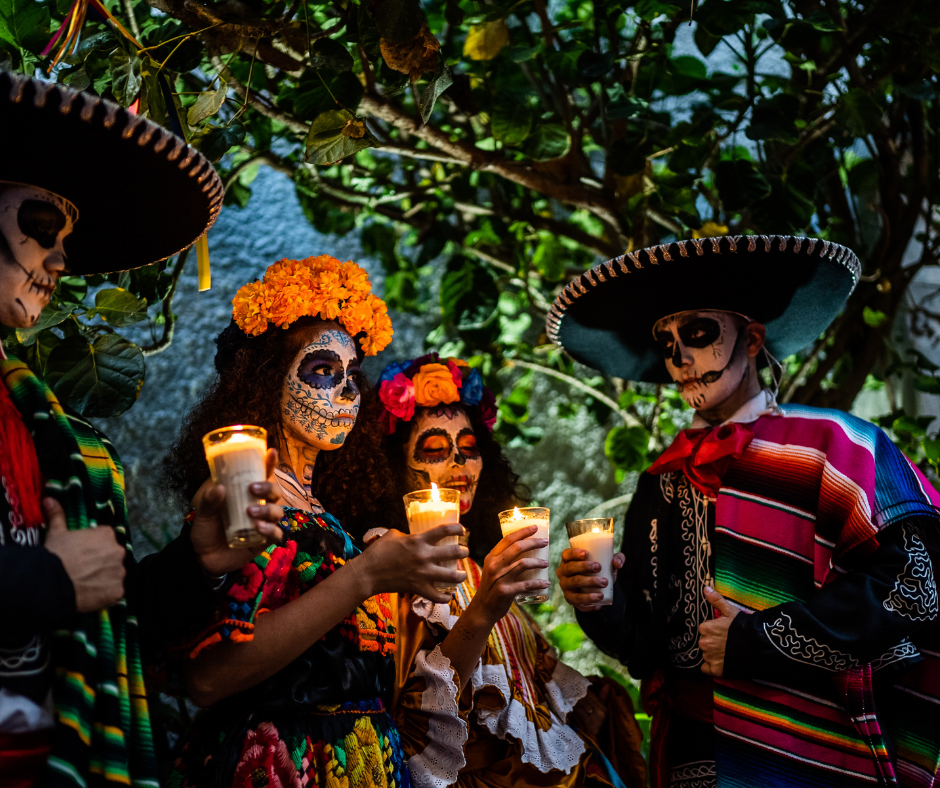
The Catrina, created by artist José Guadalupe Posada and later immortalized by Diego Rivera, has become the symbol of Mexico’s relationship with death elegant, humorous, and proud. Every year, families dress up as Catrinas y Catrines, embodying the belief that death can be faced with grace and laughter.
A Shared Spirit
From the underground ovens of Yucatán to the candlelit graves of Michoacán, the vibrant sand carpets of Oaxaca, and the altars of Mexico City, the Day of the Dead is a celebration of love that transcends time.
Each region expresses it differently, but the message remains universal: to remember is to keep alive.
At Adventures Mexico, we invite travelers to experience these traditions up close to share stories with local families, taste traditional foods, and feel the deep connection between the living and the dead that makes Mexico unlike anywhere else.
Because in Mexico, death is not the end of the story it’s the beginning of remembrance.