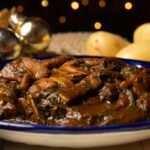

More than a spice, achiote is color, memory, and tradition a flavor that defines the heart of the Mayan kitchen.
In the Yucatán Peninsula, flavor begins long before the first bite. It starts with color, aroma, and history and few ingredients represent this better than achiote. With its deep red hue and earthy, slightly peppery taste, achiote is one of the most iconic elements of Yucatecan cuisine and a direct link to the region’s Mayan roots.
To taste achiote is to taste the land itself.
A Seed With Ancient Origins
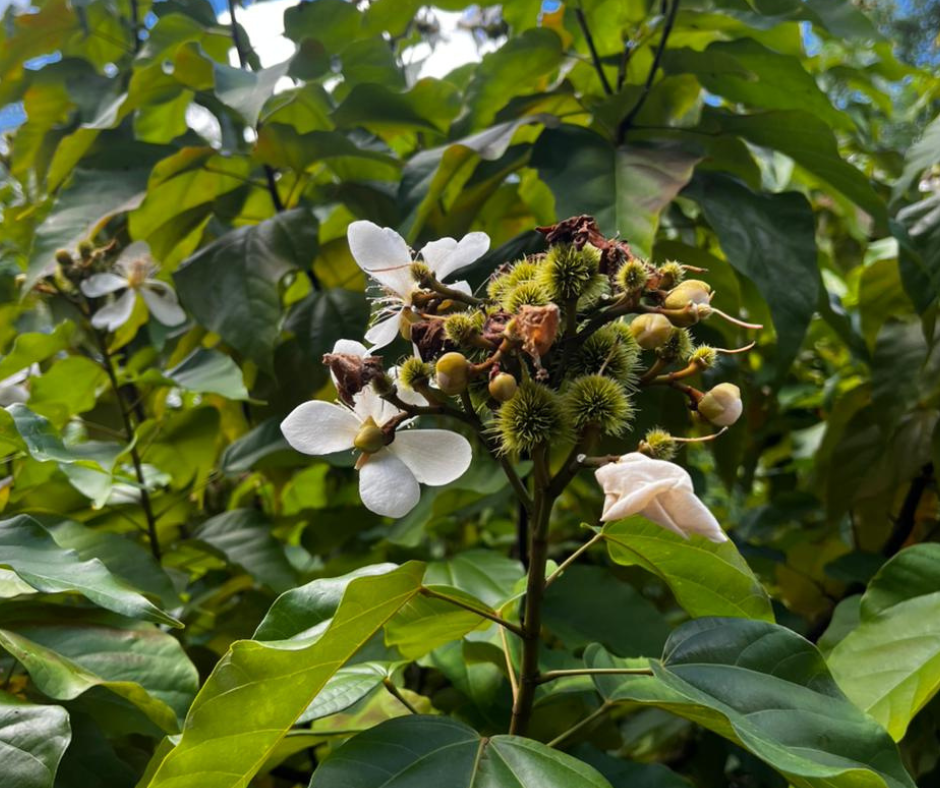
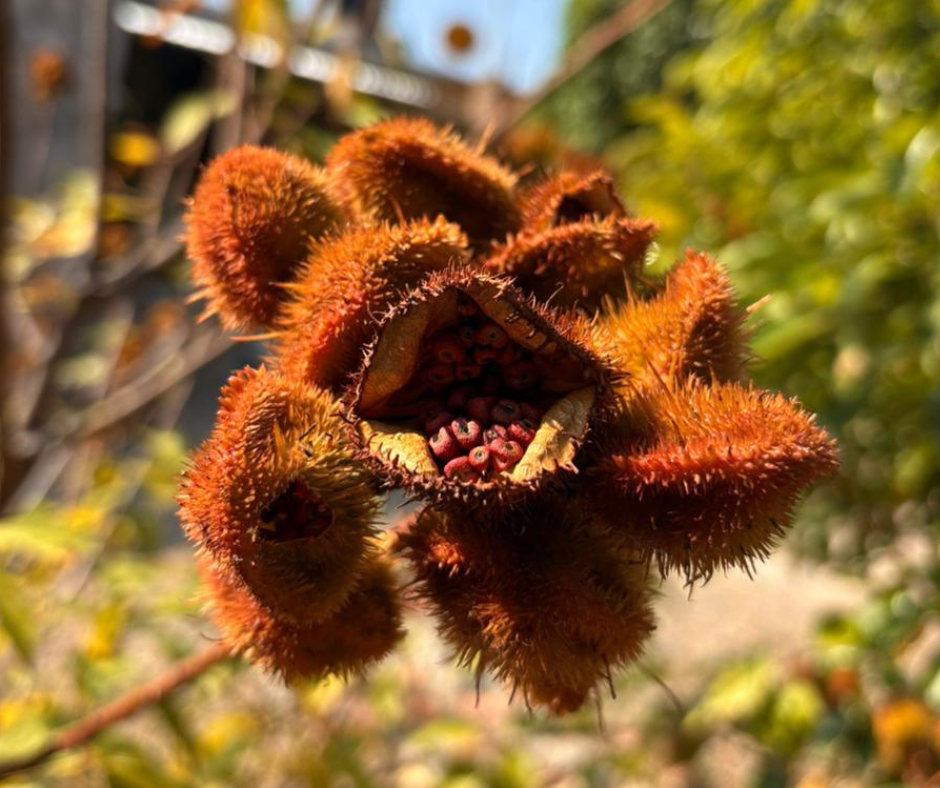
Achiote comes from the seeds of the annatto tree, native to tropical regions of Mesoamerica. Long before the arrival of the Spanish, the Maya used achiote not only as a seasoning, but also as a natural dye, a ceremonial pigment, and a medicinal ingredient.
It was used to color foods, paint the body during rituals, and mark objects of spiritual importance. Its vibrant red tone symbolized life, blood, and the sun essential elements in Mayan cosmology.
The Flavor Behind Iconic Dishes
In Yucatán, achiote is inseparable from some of the region’s most beloved dishes. When ground and blended with spices and sour orange juice, it becomes the base of marinades that define local cooking.
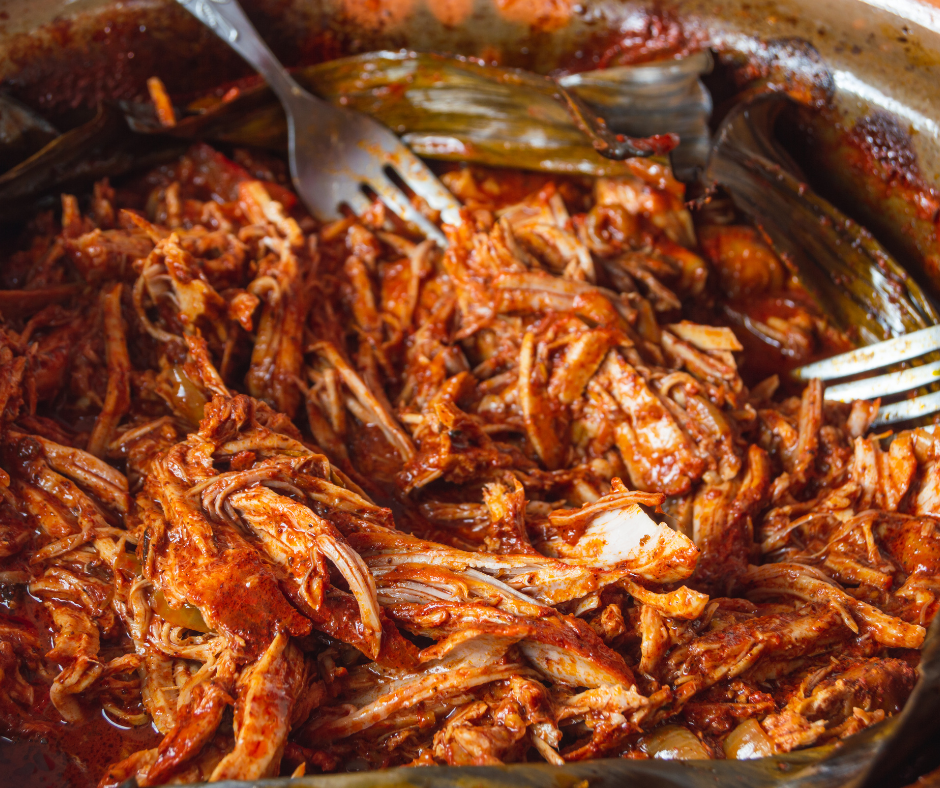
The most famous example is cochinita pibil pork marinated in achiote, wrapped in banana leaves, and slow-cooked underground. But achiote also flavors dishes like pollo pibil, lechón al horno, and traditional stews served during celebrations and family gatherings.
Its taste is subtle yet unmistakable: warm, earthy, and deeply comforting.
More Than Color: Technique and Time
Working with achiote requires patience and respect. Traditionally, the seeds are toasted, ground, and mixed by hand, often on a metate. The paste must rest, allowing the flavors to deepen and blend.
In many homes, preparing achiote is a ritual in itself done early in the day, accompanied by conversation, memories, and shared knowledge. Recipes are rarely written; they are learned by watching, tasting, and repeating.
Achiote in Daily Life and Celebration
Beyond everyday cooking, achiote is closely tied to festivities and communal meals. It appears during holidays, family reunions, and important life events, marking moments meant to be shared.
In local markets, blocks of achiote paste sit alongside spices, herbs, and citrus a reminder that this ingredient is not exotic here; it is essential.
A Flavor That Tells a Story
Achiote is not bold or overpowering. It doesn’t rush. Instead, it builds slowly, leaving warmth and color behind. It reflects the rhythm of Yucatán itself grounded, patient, and deeply connected to its past.
To understand Yucatecan cuisine without achiote would be to miss its soul.
Discover Achiote With Adventures Mexico
At Adventures Mexico, we believe that the best way to understand a culture is through its ingredients. Our culinary experiences take travelers into local markets, traditional kitchens, and family homes, where achiote is prepared and used the way it has been for generations.
From learning how to prepare traditional marinades to tasting dishes cooked in the pib (underground oven), we invite you to experience achiote not just as a flavor but as a story.
Because in Yucatán, achiote is more than seasoning.
It’s heritage, color, and memory served on a plate.